Showing posts with label foley. Show all posts

Wednesday, December 30, 2020

The History of Camp Pets!

Either Yogi or Kayzak...
How much do you love camp's dogs, Nike and Norm? I mean... they are playful, adorable and always provide some entertainment when they are around. Not surprisingly, Nike and Norm are not the first "camp pets." We thought we'd go back to the mid-70s and give you a little detail on the camp pets that we've had over the years.

In 1974, Tom Schmid (Marie's brother) got a dog for Christmas, who was named Yogi, and a few summers later, Kayzak joined the crew to accompany Yogi. Both Yogi and Kayzak were beloved by the campers and staff.


Buckley!
Flash forward 20years and camp has a new creature roaming the property - a fawn! Buckley the deer spent his first summer at Foley in 1996. Buckley was known to make appearances in the winter as local residents of Father Foley Drive have shared memories of Buckley following them around as they cross country skied on Whitefish Lake. Buckley spent a few years hanging around the area before moving on. It makes me wonder if there are any of Buckley's descendants roaming the woods behind the soccer field.


Casual Sheep outside the office.
Four-legged creatures aren't the only kinds of pets camp has. In the late 90s Foley was home to two birds: Ka-Kaik, a Red Tailed Hawk, and May-Goo, a Great Horned Owl. Both birds left in 1998, but for a few summers they were quite exciting. They lived in cages outside the wheelhouse. I know some alumni remember sitting around them for bird shows. What a fun learning experience! We also had a Boa Constrictor in 2000, named Taz! I wonder if he lived in the Nature Center with the other snakes?

Apparently we had some new four-legged friends in the late 1990s and early 2000s. While doing some research I found the following quote, "Sheep enclosure - Baaaaad idea." Not quite sure what to make of that but I'm sure if you ask Marie she'll give you the scoop! A few other creatures that you may not have expected to see at camp: Smiley, the alligator, and Stella, the hedgehog.

Stella the hedgehog.
Of course there are the old standbys that you can always expect to see at camp: all of the snakes inside the Nature Center along with some turtles in the enclosure outside. Hopefully the new Painted Turtle and Snapping Turtle, Muncher and Bowser, live a long and happy life at Camp Foley, or the surrounding area, just like Woody the Wood Turtle, who passed away in 2007.

What do you think about all of the camp pets Foley has had? Do you remember any other camp pets? One thing is for sure - I am willing to bet that the next 35 years will bring a variety of new animals to camp, even if they only stay a short time! 


Thursday, January 17, 2019

Making 'Thank You' a Habit

Now that we're about halfway through National Thank You Month and a couple weeks into our New Year's resolutions, (keep it up!) we want to encourage saying 'Thank You' beyond just the month of January. Did you know it takes 66 days to form a habit? With that being said, how can we stick to this resolution (let alone our own personal resolutions)? Here a few tips to continue having 'Thank You' and gratitude as part of your daily routine.
  1. Start Small! 
    • You don't have to say 'Thank You' 100 times a day (maybe a future goal?). Find one or two things to explicitly say thank you for each day. Make a point to say it, write it, or creatively show it. You'll probably find that you have a lot more than two things to say 'Thank You' for. You can eventually work your way up to saying it more and more!
  2. Write in a Gratitude Journal
    • Bullet Journaling is becoming incredibly popular these days. It takes only a few minutes to write down a few quick things about your day, and it's a great opportunity to take the time to write down what you're thankful for! This could be that someone held the door open for you, it was extra sunny, or just positive things about your day in general. Looking at these bullet points helps you hold those moments a little bit closer, and it can boost your mood when you flip back through previous days. 
  3. Volunteer, Give Back
    • Take the time to do something for others - it's shown to help you also feel good about your own strengths! You can volunteer for various causes or keep it as simple as taking the time to listen to a friend, smile at someone you don't know, hold the door for somebody, and MORE. The list could go on and on! 
  4. Schedule Spontaneity and Do it Regularly
    • We all love receiving notes and gifts at random, and we can make saying 'Thank You' a random act! Turn this into a habit by scheduling that spontaneity into each day to go out of our way to appreciate someone. The big takeaway of this point is to do it regularly. Whether you're verbally saying 'Thank You' to someone, sending a gift, or finding joy in the small things of life - it's the mindset of being thankful. Take nothing for granted, and enjoy the little moments that make your day brighter. 

We can make saying 'Thank You' and expressing gratitude part of each and every day! We hope you continue to incorporate gratitude beyond this month. Again, it can be a small gesture or acknowledgement of someone - it's always the thought that counts.

Tuesday, January 9, 2018

A Home For All

Matt throwing up the double peace signs as he leads his squad on banquet day
Since 2010, Foley has had the privilege to be the proud employer of more than 20 international staff members. The vast international presence in camp is undoubtedly one of the most exciting facets of the camping experience.

"MOM! You won't believe it, my counselor, Matt, is from the Czech Republic and he is the COOLEST." - Campers in Cabin Kadigomeg 2017.

This international experience is made possible by the J-1 Visa, which allows individuals to come to the US on a cultural exchange work program. Earlier this year, the "Buy American Hire American" executive order put obtaining a J1-Visa at risk, which would be a major bummer to camps far and wide. In honor of camp professionals continuously pushing forward to ensure the camp counselor portion of the J1-Visa is not impacted, we'd like to share some heart warming words about what camp means to an international counselor as well as how one of our American campers feels about the amazing international staff who call camp home.


Jimmy, Counselor 2017, Australia

"When you go to camp in the US as an international counselor, like I did, the process for getting there can look a little daunting. Flights, J1-Visa application, paperwork, and interviews can look intimidating. But is it worth it? Yep. You bet it is.
There isn't anything like spending a summer at camp in the US, with each camp having their own ingrained culture, community, focuses, and the opportunity to be a part of something that should not be forsaken.
Jimmy sharing his passion for biking
I can't talk about being an international counselor without thanking the team at Camp Counselors USA for getting me there. I don't care how organised or mature you are, it's awesome to have someone hold your hand and walk you through the process. You'll find that virtually all camp organisations will be amazing in their own ways. I heard no complaints about organisations from the other internationals, all positives.
I mentioned earlier that all of the paperwork to get to camp and even once you're there can be a bit daunting. But I want to reiterate that it is 100% worth it. Camp gives you endless opportunities to grow as a person and make a difference in someone else's life. Be a superhero in the eyes of a ten year old even though you don't see yourself as a hero. Be a life coach. Be life coached! Learn more about yourself and about how other people work. I took so many valuable skills home from camp, some basic, like how to do laundry, and some were genuinely life-changing. Learn how to comfort grief, how to brighten someone's day, how to give purpose to someone who believes they have no purpose. Camp is not easy, it's not supposed to be easy. It's supposed to make you a better person, whether you're a counselor or a camper. Camp is definitely worth it and it could not have been possible without the J1-Visa."

Patrick, 7 Year Camper, USA

"It is absolutely amazing, the things you can learn from all the staff coming from different countries. Their beliefs, and different cultural backgrounds always intrigue me. The diversity at Foley is what sets is apart from other camps and is one of my favorite parts about Camp. It is crazy how much you can know about another place after spending just two weeks with a person. Camp wouldn't be the same without the international staff."

We are excited to make even more memories with international staff as they all play an important role in our culture. The J1-Visa is a vital part in allowing us to do just that. If you would like to read more into the logistics behind how the J1-Visa could be impacted, please check out this Public Policies Article that appears on the ACA website.


Thursday, December 21, 2017

Let Your Wild Side Show


With all of the holiday craziness fast approaching, we find it important to take some time for silly fun.


Take a couple minutes to create your own wacky, wild thing to share with your family and friends to spread some lighthearted joy!


Happy Holidays from your Friends at Foley!

Wednesday, November 23, 2016

Camp in all its Beauty

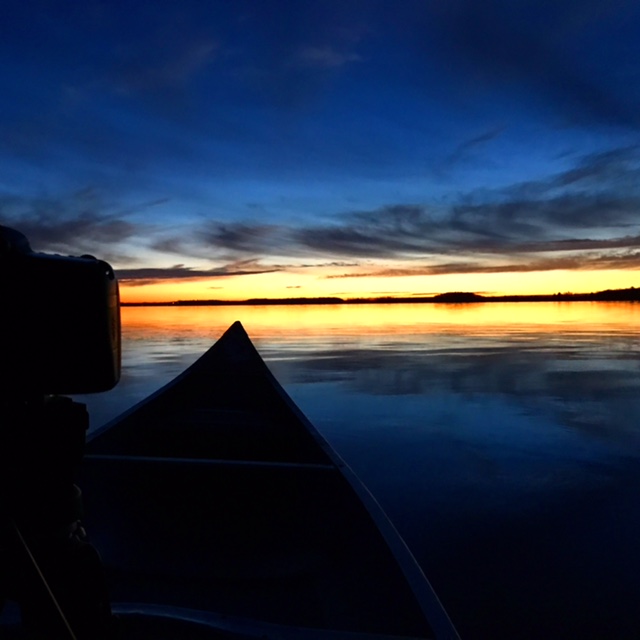
Sunset over Whitefish Lake 
This fall, Mother nature has blessed us with all of the weather we could possibly wish to experience in northern Minnesota. From temperatures reaching the 60's throughout early November, to a blizzard bringing in nearly 20 inches of snow, we are thankful this Thanksgiving for all the beauty these conditions have provided.

November typically prompts us to head indoors as it brings colder temperatures, with highs reaching in to the 40's. This November we experienced temperatures twenty degrees warmer than usual. This provided an ideal setting to continue spending time outdoors, including many bonfires and enjoying the nightly sunsets over Whitefish Lake!

Director hotdog roast
in early November
Our transition from these warm temps to snowfall happened in a short weeks time. Mother Nature decided she wasn't going to bring on the snow gradually this winter, she was going to start us off in a total whiteout- 18.5 inches of snow fell last Friday. Although this provided for much less than ideal driving conditions, it layered camp in a white bliss. For most of our alumni, campers, and staff who have only seen the wonders of Foley in the summertime, observing camp in these conditions is truly a unique experience.

Jack, a longtime camper and staff, was in awe as he walked passed the Chapel last weekend. Jack said it perfectly, "This is beautiful. Camp is always beautiful, but this is something special. For many years I have seen this place so full of energy and excitement. Seeing it calm, covered in snow, and quiet made me take a step back and really appreciate how secluded and fully immersed in nature we really are."

Director Alli Faricy took full advantage of this snowy opportunity and captured some fascinating shots of Camp Foley in its winter form, enjoy the pictures below.

We encourage you all to #optoutside and find the beauty in everything you encounter this Thanksgiving!                


Thursday, July 21, 2016

I is for Immersion


Camp has its own special culture; traditions and history help to create an atmosphere that draws families back year after year, and our campers love feeling like a part of the Foley family. In fact, when campers leave home and arrive at camp, they may find that they are immediately immersed in camp life and camp culture, surrounded by songs and games, and already in a completely new mindset.

We take this concept of immersion to an even higher level. Campers come from all over the world for the Camp Foley experience, and while their hometowns range from Buenos Aires to London to Tokyo, Foley becomes their new home. International kids beam with pride as they see their English improve, and American kids make friends from across the globe that they’ll remember forever. Through everything, we see unity in the spirit of camp. Our campers know that when they arrive, they will find a home where they are immersed in not only culture and language, but also true camaraderie.

Thursday, July 7, 2016

G is for Grit

Grit is a very special word here at Foley, and it carries a very special meaning as well. We see grit as the ultimate prize to be earned during a child’s time at camp; while ribbon awards are symbols of achievement in activities, grit is the trophy received when campers gain the confidence to get up when they fall, push back against their fears, and view failure as motivational.

When we say that campers grow at Foley, we mean it.  Camp is fun but not easy, and campers come to recognize that they have better experiences when they face the possibility of failure not with fear, but with the expectation that they will overcome it and grow from it. As a result, the kids know that the goal of camp is not to be the best at every activity, but rather to be better than they were before they arrived. Developing grit is both the cause and the outcome of that improvement.

When we see our campers and staff displaying grit at Foley, we feel that we have achieved one of our highest goals. Every child has the potential to grow grit, and they carry it with them when they leave to apply to any situation they may encounter.

Friday, February 5, 2016

F is for Faith


Camp Foley was originally founded by Father John P. Foley in 1924 and has proud roots in the Catholic faith. A lot has changed in 91 years, but to this day, campers sing grace before each meal and attend Catholic or non-denominational services every Saturday evening. We know that faith, Catholic or otherwise, is an integral part of each child’s personal development and well-being. We aim to help kids foster their own faith through careful guidance and by encouraging independent and group exploration.


Catholic campers or campers desiring a more traditional service on Saturday nights can experience mass in the stunning Our Lady of Snows Chapel, singing songs and celebrating their beliefs together. This gives campers the ability to take a break from the hustle and bustle of camp life to reconnect with themselves and others spiritually.

Foley counselors also offer a non-denominational service that is open and designed for all campers. Topics explored during non-denominational services include happiness and caring for others, and counselors illustrate these concepts with poetry, books, and hands-on activities. The goal here is to help campers achieve that spiritual connection through a better understanding of the world and people around them.

Friday, January 22, 2016

Hey kid! Why do YOU love camp?

“Mom, I don’t just love camp for the incredibly exciting activities. It is MUCH more than that.”

What are the benefits of summer camp? This is one of the most frequently asked questions heard by camp directors when talking to parents who they, themselves, never attended summer camp. It is a foreign concept that something that is meant to be "fun" or "a way for my kid to get out of the house for the summer" could, in fact, be a defining experience in their lives.

According to the American Camp Association, parents believe these are the three most important benefits provided to their children by summer camp:
1.) My child is provided with a safe environment.
2.) My child builds self-confidence and boosts self-esteem
3.) My child is in an environment fit for developing his/her social skills. 

We decided to check in with a few campers to see if they had a similar view on what the benefits of spending a summer at camp could be. I posed three campers with this straightforward question, “what are the benefits of camp?”

Mac, one of our youngest campers (just shy of 8 years old) said, “I get to learn new stuff there like archery and riflery, and I meet a lot of friends there.” A thirteen-year-old, Patrick, who has been a camper for five years, replied “Camp in one word: Quality. I make quality new friends, am provided with quality opportunities, and make quality discoveries about myself and what makes me, me.” And finally, a seventeen-year-old who just completed her eighth and final summer as a camper, Annie said “Lifetime friends, and hugely improved self-confidence.”

History has shown that campers tend to focus more on activities in their first summer or two, but as they continue through their summers the focus changes to developing oneself and further building strong friendships - the parents goal. All three campers commented on making friends in some context, thus satisfying benefit number three, developing his/her social skills. Summer camps are full of social interaction, whether it be with your cabinmates, counselors, at activities, or during free time.  
Each camper also touched on benefit number two as well, Learning new skills or trying new things is an integral part of building self confidence. Many young adults have told us that the transition to college or starting a new job was made easier by the fact that they had spent time at camp.  The opportunities for self-growth are endless and presented daily in a camp setting.

Does camp have risk? Yes. Kids are participating in many highly skilled activities in an outdoor setting. And do bumps and bruises happen? Of course. However the Camp Foley staff are supervised by directors with over 80 years of combined experience, have background checks and are trained for 11 days prior to the start of the summer. Many summer programs for kids have a revolving door of leadership with the staff that have direct contact with kids getting less than 24 hours of on site training prior to the start of the program.  We welcome a conversation about our training, safety record and supervision regulations. 

When Mac, Patrick and Annie talk about Camp Foley they are confident in their answers and talk with pride about the place they call a second home. They already are aware of the benefits they are gaining from their time at Camp Foley...think of what they will come up with when they are 20? or 30? or 60?


Thursday, January 7, 2016

E is for Engage


There’s a place for everyone at Foley, regardless of interests or skill levels. We believe that every camper deserves to be engaged with camp life in their own special ways, whether it be through intense activities like wakeboarding and archery or through the creative arts activities like photography or guitar. We know that growth occurs when counselors and staff engage campers in activities that allow them to gain confidence and receive helpful feedback.

Never should anyone at camp feel bored or uninvolved; with days and nights packed with fun opportunities to form friendships, learn new skills, and see themselves in new, positive lights, kids are always a piece of the Foley puzzle. Like any team, we need the unique strengths of each and every person in order to be at our best. With that in mind, we seek to give and receive that constant and varied engagement.

Monday, November 23, 2015

D is for Dog


Nike & Norm in Staff Uniforms
Norm on a Boat
Two common sights around Camp Foley are Norm and Nike, the camp dogs. While Nike is known for her fluffy, teddy bear appearance (she is a mini Golden-doodle), excitability and overall carefree nature, Norm is a bit more serious, fiercely loyal (you can always tell where Alli is as he will be waiting outside of the whatever building she is in or following close at her heels) and lovable in a one on one situation.

The two dogs are best buds, often laying in the sun together or harassing chipmunks. However, just like human best friends, they have lots of differences. At any picnics you have to watch your plate if Nike is out, she is stealthy, fast and always in the mood for a good Sloppy Joe or peanut butter sandwich, but Norm will sit by you whining for a snack, however he rarely goes in without an invite. While Nike loves to swim, Norm prefers to chase squirrels. Norm is happy to sit quietly at campfire, Nike, not so much. Norm hates rain boots, Nike hates thunderstorms.
Nike "helping" with Docks

While they add entertainment and smiles to everyone (and sometimes just annoy us), we have found that from time to time, kids feeling a little down or missing home have loved to have Norm or Nike to talk to or pet for a few minutes. A little reminder perhaps of their pets.

Dogs really do make the best friends.

Monday, November 2, 2015

C is for Considerate


Summer camp is a great opportunity to develop one’s own skills and grow as a person. What sets Foley apart, however, is our emphasis on growth while simultaneously helping others to grow. Consistent acts of caring and consideration are typical for the Camp Foley camper or staff member; on a daily basis, we see people looking out for others even when help isn't requested.  People aren't the only ones being cared for at Camp Foley either. The Camp Foley community is committed to protecting, honoring, and playing in nature, whether it’s by throwing a ball for one of the camp dogs or making a point to pick up trash when we see it. Every day we are reminded of the importance of being considerate towards everyone and everything at camp.
The feeling you get in your stomach when you go out of your way for the well-being of someone else is one of the best feelings you can have. The only better feeling is the one that comes when you know that you matter to someone else. As 2015 Foley counselor Peter has said, "we should strive to not have to watch our own backs because we know that our friends, cabin mates, and counselors are."

Friday, October 23, 2015

B is for Breathtaking

Summer camp campers and counselors at Camp Foley come from all over the
Photo by Camper Genevieve S
world (last summer 24 states and 11 foreign countries to be exact), a fact of which we are immensely proud. On the first day of each session, one can hear tales of the bright lights of New York, the beaches of Cancun, and smooth Parisian accents drifting through the air, and it is often wondered how we all ended up on the same piece of land in northern Minnesota.


After a few strokes of a canoe paddle through the Whitefish waves or a night of stargazing on top of the marina, it’s easy to see why Camp Foley is so magnetic. Campers fall asleep to singing loons and wake up to crystal blue skies peeking through the pines. They look out over the summer camp from the top of the climbing wall and wave to the sailboats as they skip over the Minnesota water on wake boards. And on quiet afternoons walking the trails, they can look straight ahead and see nothing but trees.


Wednesday, October 14, 2015

Find a porcupine, pick it up. All day you'll have good luck.

According to the Minnesota DNR, “the porcupine is one of the most interesting and unusual wildlife up to 30,000 sharp quills definitely makes them a bit unusual. Let us have a look to see what else makes these little critters so unique.

Porcupines are a special rodent. One, they are the second largest rodent in the United States, just behind the beaver. Second, along with having quills for constant protection, a porcupine also has a built in antibiotic. This adaptation has come from porcupines being mildly clumsy and often falling out of trees while reaching for a snack, thus quilling themselves. If a porcupine quills himself he is not at risk of infection due to this awesome, built in antibiotic. Not only do the porcupines use quills as a defense, they first let off a strong odor, similar to a human’s body odor, which makes them less appealing their predators.

Porcupines only have a few predators. Most animals would prefer to avoid a face full of quills, but the most common predator, the fisher, has literally found a way around that. A fisher is part of the weasel family and they are very quick. They are able to get around the porcupines threatening tale, to get to the face and eventually the quill-less belly of the porcupine. Other predators include mountain lions, eagles, wolves, and great-horned owls.

Due to having a solid defense system, porcupines are able to live on their own because they do not need a “pack” to help protect them. They do not hibernate but stay near their dens during the winter months and venture further away during warmer months.  When a female is ready to mate, she climbs to the top of a tree and lets out a loud “scream,” which lets the male know he is able to waddle on over to her tree. The female will give birth to one little porculette whose quills are only soft for a couple hours after birth!

The pictures above are from a large porcupine we have had hanging out around the Muck Pond.

FACTS:
Porcupines lifespan: around 15-18 but have lived to 30
Porcupines are near-sighted and slow moving
Porcupines can weight up to 30 pounds
Main diet: stems, roots, berries…but snack on log cabins and outhouses
One of three species (wolverine, skunk) that has white and black on their bodies. Only animals that benefit from letting other animals know where they are at night.

Wednesday, April 8, 2015

So what do I, as a parent, get out of this summer camp thing?

One of the most popular questions we get in our camp office is:

"What will my kids gain from their time at camp?" 

Our answers always touch on ideas such as independence, resilience, socialization, new experiences, or lasting friendships. We could go on for hours. And, if you talked to any of the parents of kids who have attended camp before, they could too.

The question we don't generally hear (because let's face it, parents are awesome, selfless people) but may be interesting to consider is "what do the parents of campers get out their child's time at camp?"

All parents want the best for their children and watching them mature, learn new skills, experience great feats, and make new friends can be just as rewarding for parents as is for campers. Many camp parents tell us that their camper comes home standing a little taller or being a little more helpful. All of sudden making their beds or cleaning up after a meal doesn't seem like quite as big of a task.

New camp parents often speak about how they feel guilty for "sending their child away for 2 or 4 weeks" or  "for having fun with their friends, in a kid free environment."

We understand. But, we are here to say - don't feel guilty!  Instead of thinking you are "sending them away to camp" think instead that you are "giving them camp". The best gifts in life are the ones that you can take with you wherever you are. The ones that never seem to go out of style. The ones that no matter how old you are, you can think back to exactly what you were doing when you were given that gift.

Camp is a gift that you can literally never lose. The value in that feeling you will have as a parent when you realize you have just offered your kids something to last a lifetime is incalculable.


Parents work hard to provide the best for their children and when they give them the gift of camp, they hope their hard-earned money is going towards a great cause. We talk a lot about how to prepare kids for camp but how much do we talk about how to prepare as a parent?  

So parents!  Don't feel bad for taking a vacation, relaxing, getting a massage, or just sleeping in for a week straight. You deserve it! And while you are doing all those wonderful things, you can rest assured that your child is in great hands and having an experience that they will be proud to share with you when they get home!


Thursday, March 19, 2015

Can we turn failure in to motivation?

In the January edition of Southwest The Magazine (from Southwest Airlines), Heidi Stevens In Criticism of Praise.” The article discusses the effect of too much or insincere praise on a child’s emotional and physical well-being. Do we as parents, educators, and youth developers use praise so much that it can actually cause kids to fear failure and hesitate to go outside their comfort zone? We wanted to take a look at how praise is used at camp and what we can do to encourage kids in healthy, meaningful ways.
writes an article called “
When your child comes to Camp Foley we strive to bring out their best. Sometimes that means gently pushing them to try new things. Or perhaps encouraging them to meet a new friend. And often it means supporting them when they have a bad day by not saying “you did great” (even when they didn’t) but by coaching them in how to succeed next time instead. By giving honest (yet gentle) feedback to kids,  we are able to allow growth that is unique to each camper. Likewise, it means we must constantly be evaluating our program  to ensure our campers get the most out of camp.
In the article, Stevens tells us, “As with most pursuits among modern children, their performance is immaterial. How they feel about their performance, however, is paramount.” In order to increase positive results, we, as youth developers, must first make sure that the child feels safe. At Foley, this is always our primary concern. Performance is not just athleticism, but intellectual, artistic ability, social performance, etc. So what happens when a kid feels like they are no good? Can we turn failure into motivation?
Failures or setbacks are just stepping stones to greatness. Instead of praising children with words like “ You did an awesome job, you’ll get it next time,” we encourage our campers to recognize maybe something they are missing or let them know that it’s OK to make mistakes. Mistakes are a great way to learn. Unnecessary praise can cause a child to protect what they they are good at. This could cause them to possibly stay away from challenging activities that would create a ripple on their reputation. If they stop taking these risks and challenges it could eventually cause their intellectual and emotional growth to slow.
When you think of failure as an invitation it seems less scary. It is an invitation to learn from and overcome defeat. To accomplish something eventually even if it isn't right away.  According to child psychologist Kristen Race, “Calibrating the frequency and style of our praise is one of the most important shifts parents and youth developers can make.” Now, we are not saying we never praise our campers. In fact, Foley directors and counselors love to give all kinds of praise and recognition. We love to praise our campers when they work hard, play hard, achieve success and overcome failures.
 Foley does a week and half of intense training with our counselors to ensure they are prepared to help partner with you, as a parent, to help your child achieve success while at Foley and likewise to take those skills away from camp and use them for the rest of their lives.  They learn through reading, tutorials, workshops, professional experience, as well as their own experience and knowledge. This allows your child to get the right kind of praise they need and deserve to help them grow.
So, as we look to another summer, we vow to continue to remember that kids will fail, they will stumble, and their pride may be hurt. But the opportunity to help them stand back up, try again and feel pride when they do succeed is what motivates us to create the very best program we can for your kids.

Tuesday, March 3, 2015

What's in a Letter?

Parents! You drop your child off at camp, say your goodbyes and then you leave that child in the care of these certain amazing individuals we call, camp counselors.  Those counselors are going to be the ones on the front lines giving your child the best growing experience of their young lives. You are entrusting your child to us. That’s a big responsibility, but guess what; we are highly trained, compassionate individuals who want nothing more than the safe well-being of your child.

But how do you know this is what your child is getting? 

This is when those fancy parent letters come into play. Personalized letters seem like a thing of the past. People seem to turn to social media "stalking" to get information or communicate with other people.  The camper letter however, is a personal and sentimental account of what your child has accomplished over their time at camp. It shows that the counselors are paying attention not to just what your child is doing in activities but how they are growing as a person while at camp.

Although campers send home letters to their parents throughout their camp experience, most of the time they leave out certain details or don’t say much at all (generally a sign they are having too much fun while at camp).  The counselor letter adds on to those amazing experiences your child is having. It adds the friendships that have bonded, the struggles they have overcome, and the mountains they have climbed and then jumped off into new experiences.  This certain letter helps bring about a certain piece of mind, and tranquility that might help the parent through the separation.  The parents can realize the impact camp has on their children. The impact it has on their physical, mental, and social capabilities. These soothing letters provide that sense of worth that you hope your child is getting while at camp. 

The counselors take a great deal of time writing, re-writing, correcting mistakes and then possibly throwing it away and starting over again on these letters. They want you to feel the pride they feel when these events happen to your child. They want you to know that you might the correct decision sending your child to camp. They want you to know that even though your child might not realize it, they are growing is the most of positive of ways in their youth.  These letters do just that. They are not just part of the job description. They are an intricate part of camp and keeping your relationship with camp to the highest standards. 

So when you as a parent, receive a letter from a counselor, think of it as an outreach of further trust between yourself and the entire camp and what it holds dear to every counselors heart. That the true meaning of these amazing, and time developed letters are to insure that you know your child is receiving an amazing experience at camp and these counselors and directors are proud to help partner with you in helping your child grow in every aspect of their lives.

Wes Long, Assistant Director

Thursday, February 19, 2015

Blue Jay Stumpers


photo by Alli Faricy

Take a look at a common bird and then ask, “How much do you know about the Blue Jay?”

Let me try to stump you!

What tree nut do they favor?  Acorns
What other bird do their calls mimic?  Hawks!  Is it for deception or a warning?
How old was the oldest wild banded Blue Jay?  17½ years
Do they mate for life?  Yes
Where are Blue Jays found?  At the edge of forests, where there are feeders and acorn trees.  At Camp Foley in the winter they compete with the squirrels and woodpeckers at our feeder.  Of course, there is a huge acorn tree within feet!
Do Blue Jays migrate?  The answer is “yes” and “no”!  “Thousands of Blue Jays migrate in flocks along the Great Lakes and Atlantic coasts, but much about their migration remains a mystery. Some are present throughout winter in all parts of their range. Young jays may be more likely to migrate than adults, but many adults also migrate. Some individual jays migrate south one year, stay north the next winter, and then migrate south again the next year. No one has worked out why they migrate when they do. “   Cornell Lab of Ornithology

Click here for more bird information.

For more pictures of Camp Wildlife (and animals from all over the world) follow @dr_earth on instagram and @TheDrEarth on twitter.

Tuesday, January 27, 2015

The Office Dogs

Are you ever curious as to what Nike and Norm do at camp all winter?  They have pretty extraordinary lives. Up in the morning to chase a few squirrels as they trot to “work” and then a long morning nap in the office – and yes, Nike has an office chair!  

Afternoons are the filled with treats from Mary and occasionally the FedEx man or some basking in the sun.  And they have a lot of reading to do as well!  Then they run and run and run in the late afternoons and evenings clocking well over 3 miles out on the lake.  Chasing snowmobiles and deer are a couple of their favorite sports.  Foley is not only a very kid friendly place, it is a dog friendly facility as well!