Showing posts with label nature. Show all posts

Thursday, March 18, 2021

St. Patrick don't banish our Snakes!


Happy St. Patrick's Day! (Well Yesterday was St. Patrick's Day But Whatever!) Time to don green clothes and lots of shamrocks and celebrate this fun Irish holiday. This day is named after the patron saint of Ireland Saint Patrick who was a bishop on the island during the fifth century.

My favorite myth about St. Patrick is that HE is the reason there are no snakes on the island in Ireland. The myth says that the snakes attacked St. Patrick during a 40 day fast he was undertaking on top of a hill,  and he  banished all the snakes, and chased them into the sea. As funny as that image may seem, the truth is there is actually no proof that snakes EVER lived in Ireland...


But you know where they do live????? HERE AT CAMP FOLEY! We would never want to banish them from camp, and in fact we love them! They are a favorite among campers and have been a staple of camp for over 20 years!
A Hognose snake in the wild
According to some of our snake expert counselors from 2019 Ace and Ryan, one of our most popular snakes is a Hognose snake, named "Hoggy". She's old enough to vote, clocking in at 18 years old. She uses her upturned nose to dig and burrow in her cage. Her scales mimic that of a rattlesnake and sometimes she will "rattle"trying to pretend to be a much more dangerous snake.

Ryan holding Lucy with campers
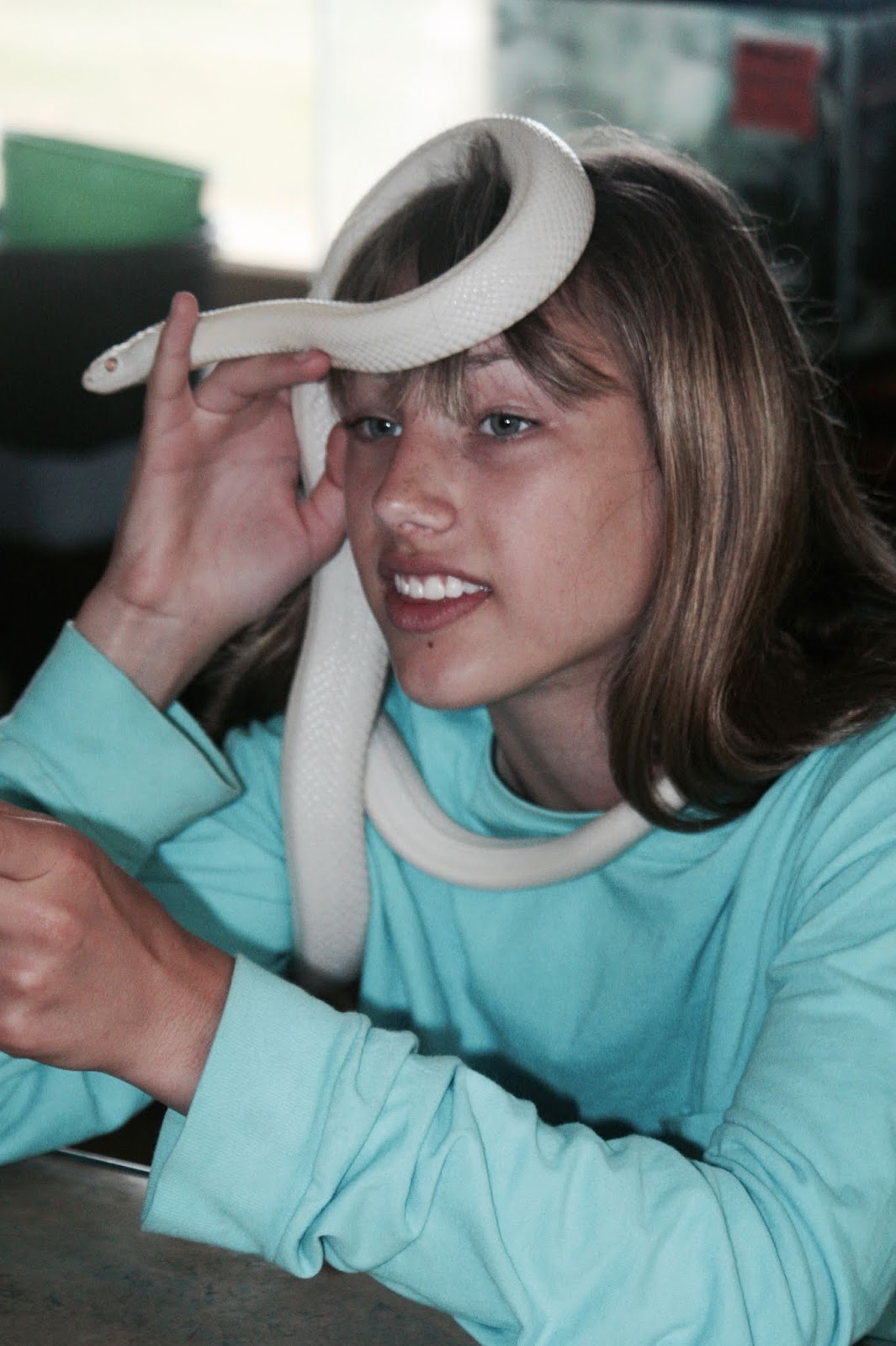
Our nature instructors  also say our gentlest snake is a black rat snake named Lucy. As you can see from her pictures she isn't black though! She is something called "leucistic", a condition in which there is partial loss of pigmentation in an animal causings white scales or fur. This is similar to an albino animal except leucistic animals do not have red eyes. Lucy loves to climb all over campers and be held.

Check out some pics of our campers with the camp snakes. And from everybody here at Camp Foley... HAPPY ST. PATRICK'S DAY!


Thursday, March 4, 2021

Staying Eco-Friendly during Winter


 2 weeks ago it was -11 outside!!!! Even if you are Minnesota through and through that is COLD! While the cold has some great benefits, like pretty snow and getting to walk on frozen lakes, it also has some downsides. This time of the year when it is very very cold outside, is the time when most people are wasting the most energy and electricity in their homes. It makes sense, we need to heat our homes, need to keep our lights turned on for longer, and want to cook hotter things. But, this isn't a free pass to stop being eco-friendly and reducing waste as much as possible. 

Here are some tips from earthday.org about how we can all reduce our carbon footprint and still keep toasty warm during the winter months...


1.) Layer up. This might be the easiest and most obvious way to save energy during the winter months. Wear long underwear, undershirts, and other base layers under your clothing and bundle up in sweaters and scarves and you can turn down the thermostat that much more. Also bonus tip...you can also help end plastic pollution by choosing clothing made of natural fibers, instead of synthetic fibers, which pollute our environment with microplastics when washed.

2.) Seal your leaks. A common energy waste during the winter months is leaking air inside and outside your home. In order to avoid any air leaks, you should inspect all areas where two different materials meet. These would include any kind of exterior corners, electrical outlets, door and window frames, etc. These wholes can be filled in with weather strips and expanding foam installation. Go on a hunt through your house and see what you find!

3.) Turn down your water heater. Many homes get their heat through a water heater, which can often be costly and a waste of energy. One way to avoid wasting a lot of energy through your heating system is by turning down the water setting. Heating water can account for 18% of your home’s total consumed energy. A quick and easy way to lower your energy usage is to turn down the water temperature setting to about 120 degrees Fahrenheit (from the typical setting of 140 degrees Fahrenheit). Do you know what setting your water heater is at?

4.) Use better lightbulbs. As the temperatures dip during winter, the amount of daylight and light also decreases. This can result in needing more light bulbs in and around the house for light. Since regular lightbulbs use a lot of energy and are hard to dispose of in an environmentally-friendly way, it’s best to switch to LED lightbulbs or CFL lightbulbs. These lightbulbs can save you 25-80% of energy use, are mercury-free, and last longer than regular lightbulbs. They even make cool ones that will turn on with your Alexa!

5.) Skip the street salt. Although road salt is used by many city and state governments to take care of icy and snowy roads and walkways, it also has negative effects on aquatic ecosystems. To clear your own path, choose a safer alternative, such as cheese brine, pickle juice, and potato juice. Here at Camp Foley we use sand instead of salt. 


I hope you got some good ideas about how you can make a positive impact on the planet during these
cold winter months. Stay warm everyone!

Thursday, August 13, 2020

Summer Critters

If you're a fan of this blog, (and I know you are!) you'll know on January 9th, 2020 we published a blog called "Winter Critters" that was all about how animals kept warm in the winter time. Well, it's 6 months later and guess what? It's finally warm out, so I thought we could take a look at how animals are keeping themselves cool during the summer months.

Here are some things the animals around Foley do to keep cool during a Minnesota summer...


Taking Turtle Naps!
Turtles are much more active in the summer and will awaken from their hibernation and emerge from lakes and ponds. The temperatures they love the most are between 70 and 85 degrees, but they will tolerate nighttime temperatures down into the 50's. During the summer, they are seldom active during the mid-day heat and do most of their hunting and foraging during the cool, early morning hours. They can be found sunning themselves on rocks and logs during the hottest part of the day.


New Bear Hair!
The summer heat can be downright “unbearable” for us humans, so people often wonder how the black bears handle hot days with their fur coats. While people wear coats to keep warm, animals have fur not only to stay warm, but to stay cool too! Much like dogs, bears do not sweat. They pant to dissipate heat and, they shed their thick and heavy winter undercoat to help them deal with the summer heat. The remaining hairs are lighter and longer, helping to insulate their bodies while keeping heat and direct sunlight from their skin. As they move, the longer, taller hairs float and sway allowing for cooler air to move along their body.


Deer Ears!
Like the bear, deer shed a lot of their thick coat in preparation for summer. They also pant to help heat escape their body. But by far the "coolest" way a deer keeps itself cool is with its ears. A deer’s ears are hairless in the summer to allow heat to escape from the body and speed up the cooling process.


Squirrels Sweat!
Yes, just like humans, squirrels can also sweat when they get really hot. Squirrels have sweat glands in between the pads at the bottom of their feet and in between their toes, By sweating through their feet, they're able to cool themselves off. They also chill out through respiration, panting like other animals we discussed.


 Eagles Soaring Above 
Eagles often soar at higher altitudes on the hottest days. While this does not get them out of the sun, the air temperatures are much colder at great altitude, which keeps the birds cooler. They can also be found in shady areas during the hottest times of the year, particularly near water sources and low to the ground. The more layers of branches and leaves above the ground, the more heat will be absorbed and the cooler the shade will be.


We are lucky at Camp Foley to have a lake and lovely tall trees to keep us cool, but maybe we can learn something from these animals too!

Thursday, June 18, 2020

A Throwback Thursday- Eagle Edition

Here is a true Throwback Thursday to our most viewed blog! This is a Creature Spotlight all about the bald eagle. All the pictures of Eagles were taken by our Director Alli Faricy. You can find more of her photography at @eightlegsphoto on Instagram. 


Ever seen the majestic bird of prey that represents America as its National 

Symbol?  They are an impressive sight!  We are lucky enough to see them quite regularly out on nature trips and during our environmental education programs here at Camp Foley.  In fact, camp director Alli Faricy has snapped photos of them in mid-flight around our Whitefish Lake on several occasions. 

Eagle mid-flight. (Photo by Alli Faricy)
With their large brown bodies and snow-white feathered heads, bald eagles are unmistakable and easy to distinguish from hawks, vultures, and other large raptors.  They can grow to 40 inches in length and have a huge wingspan of up to 7.5 feet.  Perhaps this is why they make the largest nests of any bird in North America. 

Bald Eagles can be found from Canada to Northern Mexico, but prefer to live near oceans, lakes, or rivers because they feed primarily on fish.  Using its keen eyesight, they can spot a fish several hundred yards away, and swoop down and pluck it from the water with its powerful talons as the fish comes up to feed.  These powerful birds have been clocked diving through the air at up to 43 mph, and flying away with a fish in their talons at 30 mph.

Photo by Alli Faricy

It is believed that Bald Eagles mate for life, and have sometimes been observed hunting together.  In these cases, one eagle distracts their potential prey while the other swoops in to pounce on it.  While a large percentage of the birds diet consists of fish and carrion (the carcasses of dead animals that have been left behind by other predators), they also catch and eat small reptiles like snakes and lizards, and mammals such as rabbits, squirrels, and raccoons.  Hungry bald eagles will sometimes hunt larger animals too, and have even been observed successfully catching an adult trumpeter swan in mid-flight.

As the National Bird of the United States, the Bald Eagle is protected by federal law.  Unfortunately, illegal hunting and the use of dangerous crop pesticides in America during the 1950’s, 60’s, and 70’s nearly caused this beautiful creature to go extinct.  By 1950, there were only 412 pairs of bald eagles left in the entire United States! 

Fortunately, through the creation of stronger, stricter poaching laws, the banning of harmful chemicals like DDT, and the efforts of raptor rehabilitation centers across North America, the Bald Eagle population has rebounded to over 100,000 birds.  And the third largest concentration of Bald Eagles is right here in Minnesota (behind Alaska and Florida), where it is estimated that about 1,312 pairs live in the wild.

The Bald Eagle is sacred to many Native American cultures, and some even saw it as a wise and powerful messenger from the spirit world.  This is one of the reasons eagle feathers and talons (claws) are used in some traditional Native American ceremonies and dances.
Photo by Alli Faricy

Our Founding Fathers chose the Bald Eagle to represent our country as our National Symbol because the eagle was a symbol of the ancient Republic of Rome – the democratic government of the mighty Roman Empire run by a council of senators (before Rome became a dictatorship).  On the Presidential Seal of The United States, the bald eagle is represented holding thirteen arrows in one talon and thirteen olive branches in the other.  The arrows and olive branches represent America’s thirteen original colonies, and symbolize that while the United States prefers peace, it will fight to protect the safety and freedom of its people.

So the next time you’re out on a trip or participating in a water activity at Camp Foley, be sure to keep your eyes peeled. You just might see one of these majestic creatures.

For more info about Bald Eagles, check out The Minnesota DNRThe National Eagle Center, or these cool videos of Bald Eagles nesting right here in Minnesota!

Thursday, May 14, 2020

TORT TIME!

If you have been a camper in the last 5 years, you know exactly what "Tort Time" is! For those wondering, this is a reference to an activity available during Morning Fun and Free Swim, the two free periods scheduled each day at camp. When campers see "Tort Time" written on the white board they know to head straight to the nature center to see our good friend Tort.

Who is Tort?? 
Come on, everybody knows Tort! He's Tort the Tortoise and over the summer he comes to live here at Camp Foley. Tort is a gopher tortoise, and almost 30 years old, making him much too old to be a camper.

Ok, but what is a Gopher Tortoise?
The gopher tortoise is one of five North American tortoise species and is the only tortoise naturally found east of the Mississippi River. It can grow to be up to 15 inches long and weigh from eight to 15 pounds. With their strong elephant looking back legs and front feet specialized for digging, they are well-adapted to burrowing. The burrows provide gopher tortoises with protection from predators . They are most active in the warmer months but spend most of their lives in their burrows. The  
burrows can get over 20 feet deep! Our Tort is a very average sized gopher tortoise, and we estimate about 30 years old according to one of our Foley nature experts Ace. These animals usually live to be 60 years old in the wild, but in captivity the could be over 90 years old. Hopefully this means we will have Tort for a very long time.

Fine, but where do they live?
Gopher tortoises prefer well-drained, sandy soils found in parts of Mississippi, Georgia, and Florida.  Land they like contains sandy soil for digging burrows and nesting, lost of green plants for eating, and open, sunny areas without a lot of trees for sunbathing. While at camp, Tort lives in the outside enclosure at the nature center. It has very nice sandy soil for Tort to dig in and one large tree so he can decide when to nap in the shade or get his tanning on in the sun.

That's cool, what do they eat?
These guys are herbivores, and eat grasses, mushrooms, prickly pear cactus pads, fruits and flowers, as well as blackberries, blueberries, gopher apples and other low-growing fruits. Tort gets spoiled here at camp and usually gets lots of treats taken form the Camp salad bar.

Check out some pics of Tort below!


Thursday, April 16, 2020

10 Years of Blogs!

Guess what everybody?.... The Ratlin' Blog just turned 10 years old!

We have officially been publishing these weekly blogs since 2010, and it's amazing to look back and see all the different blogs that have been published over the years. So in honor of our Ten year anniversary we're going to take a stroll down memory lane and revisit some of the most popular blogs from waaayyyyy back when. Lets get started!

The Ratlin Blog has 321 blogs published so far, and that number gets bigger every week. We've had 9 different people write blogs for Camp Foley over the years, and many campers who have contributed to blogs throughout the years.

The first blog was published on April 16th, 2010. Written by none other than Alli Faricy herself. It is one of just 3 blogs published in 2010, and it is a welcoming message from Alli and it explains how one of Alli's goal for 2010 was to start a camp blog, mission accomplished! The most read blog of 2010 was also written by Alli, and it details an experience she had during Outdoor ed, where the kids were stuck in the pouring rain while canoeing but had their spirits lifted when they got to see a beaver!

Sometimes things have bumpy starts and there are no blog posts in 2011, but they came back next year!

In 2012 we hit 1,000 views on one of our blog posts! Again written by our director Alli Faricy, this one was about Snapping Turtles! And is the second blog in our series of "Camp Creatures" where eac blog highlighted a different creature that was indigenous to Minnesota.

You'll recognize a pattern because in 2013 we got 1,455 views on another "Camp Creature" blog. This one was all about beavers! This one was written by a past social media manager and counselor Krista Strobel. She would go on to write many blogs over her time here working at Foley.

Over the next couple of years we didn't crack 1,000 for a while, but in 2014 a blog written by Krista was the most popular of the year. It was an original comic created by Thomas R., a camper from that year. It involves a mystery around camp with him and his friends.

And then our blog was 5 years old! 2015 was an exciting one because its the first year that our director Marie Schmid wrote the most popular blog of the year! She wrote a reaction to a Washington Post article, where Parents got in trouble with the low for allowing their child to walk home. She recommends a book explaining how the concept of camp helps children develop more independence, and talks about how she felt raising kids within a camp setting.

Rolling into 2016, it was Jordan Anderson who wrote the most popular blog of the year. It was our thanksgiving blog (this will become up again, pay attention) and Jordan chose to spotlight camp and show off some beautiful images of the Camp Foley grounds, with Sunsets included!

We got so close to 1,000 views in 2017 with 883 people visiting our blog to read Jordan's Thanksgiving blog, making it the second year it was the most read blog post (told you this would pop up again). This time Jordan highlighted a camper, Mae, who joined the Hall of Fame that year. he posted her 5 year essay and had Mae answer some questions about her time as a camper here at Foley.

Photo by Alli Faricy 
So we've haven't hit over 1,000 views for fours years now, well things are about to change... drastically! 2018 is the year we not only hit 1,000, we hit over 10,000!! With 12,609 views on this blog post, it is out most read blog to date, written bu Jordan. It is an animal spotlight post about bald eagles. I couldn't tell you why so many people thought this was so provoking but the numbers do not lie!

Almost caught up... second to last but certainly not least is 2019. The most popular blog of the year was published right after camp ended. It was written by Billy Weiss and gave campers tips for going back to school. Not quite bald eagle numbers but we did get over 500 views on this post.

And here we are, in 2020 with so much to look back on and so much to look forward to! I've have been writing the blogs for Ratlin Blog for a few months now, and I love that we continue to reach audiences with new articles, camp tips, and Foley updates. Stay tuned for more blogs to come!




Thursday, April 9, 2020

Baby Animals!


Summer has the beach, pool and CAMP days, fall has beautiful foliage and pumpkin spice everything, winter has holidays and snow, but spring has everything good and right in the world. The days are longer, flowers and trees are in bloom, and most importantly, there are baby animals everywhere.

Why do so many animals have their babies in the spring? There’s more food available, and because the days are longer, the mamas have more time to find food. Plus, warmer weather and regular rainfall maximize plant, a.k.a. food, growth.

If you’re not already psyched for springtime, these spring-lovin’ baby animals will give some well-earned spring fever...

1. Bunnies!
It’s well-known that bunnies are born in spring and they have huge litters. Mama bunnies can give birth to up to nine babies each time. They are essentially helpless for the first week of their life. But did you know baby bunnies are actually called “kittens?” Yep, they just got even cuter.


2. Deer!
Baby deer, otherwise known as fawns, have 294 to 306 spots on their body. Newborns are able to walk within hours of being born, and are essentially odorless to predators, which protects them during the first months of their life. They stay with their moms for about one year before they finally grow up and get a job, already.


3. Porcupine!
 Baby porcupines are called porcupettes. They are born with long, soft hairs that transform into sharp quills within a few days of their birth.  Porcupettes are about 3 percent of mother's weight at birth. Porcupettes mature at 9 months to 2.5 years, depending on species and can live up to 15 years in the wild, lookin sharp the whole time!


4. Wolves!
When wolf pups are first born, they're completely blind and deaf, and have little to no sense of smell. Baby wolves grow rapidly, and gain between 2.6 and 3.3 pounds per week for the first 14 weeks of their lives. When they reach between 11 and 15 days old, their eyes will open and they'll begin to see. At first, wolf pups will only consume their mother's milk, and on average will feed four or five times a day. They gain plenty of nutrition to help them grow during this period. By the time they reach roughly 2 weeks old, they have their first milk teeth and can start to "wolf" down small pieces of meat.


5. Owls!
Baby owls are called owlets! Owl chicks are born with the help of an egg tooth, which will fall off after a week or two. Owls lay their eggs over the course of a few days, so there will always be a size difference in the owl siblings, as they hatch at different times. Owlets will stay in the nest for just about six weeks after hatching, depending on the species. They sound like a real "hoot".


As we all appreciate the cuteness of these animals, remember that the best thing to do if you find a baby animal in the wild is leave it alone. If you find one that is visibly injured, that's the time to call your local wildlife rescue and tell them about the animal. They may be adorable but they belong in the wild.

Thursday, February 27, 2020

Leap Frogs for Leap Year!


This month we get an extra day! Every leap year features an extra day added to the end of February, giving February 29 days instead of the usual 28. This bonus day happens because it actually takes the earth 365.25 days to rotate around the sun. To compensate for this extra time, an extra day needs to be added approximately every four years.

But enough about math, let's get to the frogs!

Frogs are a huge part of the ecosystem in northern Minnesota where Camp Foley is located. We have gone on many a frog hunt around our grounds and a frog is a requirement for our "Nature Hall of Fame" award where campers must catch and identify 5 specific animals found around camp. Here are 3 cool frog facts to impress all your peers on our extra day in 2020!

1. Wood frogs make their own anti-freeze?
 The wood frog can endure temperatures as low as 23 °F for several weeks, with 65‒70% of its body turning to ice during that time. The wood frog protects the remaining fluids in its body by increasing the concentration of glucose in its body, essentially creating a natural protective antifreeze.

                                                                2.The Mink frog STINKS!
The smell a mink frog gives off is a lot like the stench of a rotten onion! The frogs do this to seem much less tasty to other animals, and its very likely you will smell these guys long before you see them. It spends much of its time in water that have lots of water lilies. The mink frog uses the lily
pads as a means of escape from predators.

3. Bullfrogs are Illegal?
That's right! In Minnesota it is illegal to buy or sell a bullfrog unless you have a DNR (department of natural resources) permit! Or... if you're going to use it for bait in fishing. Because this law is not well
known bullfrogs have actually become an invasive species up around northern Minnesota. Bullfrogs eat almost anything they can fit into their mouths, including insects, mice, and other FROGS! With their appetites so large and their number of predators so small, scientists think they may be having a negative impact on the ecosystem in Minnesota.


Check out this website for lots more Minnesota frog facts! Enjoy your extra day on February 29th, and maybe play a game of leap frog to celebrate. The record to beat is 1,348 people leap frogging at once! And that's an extra leap frog fact in honor of our extra leap year day... HAPPY LEAP YEAR

Wednesday, May 22, 2019

Camp Creature: Gray Wolf


The gray wolf is making a return appearance on the Rattlin' Blog! Why you ask? Because this species is continuing their comeback after many years of low population numbers. The gray wolf is both an intriguing and inspiring species and therefore deserves a shoutout. 

They have had quite the history here in Minnesota. Wolves have been on and off the endangered list multiple times, federally protected, and the best part is, they have battled back and their populations are seeing consistent rises! According to the Minnesota DNR, Minnesota currently has the second highest population of gray wolves in the country, only behind Alaska. Thumbs up to these resilient pups. 

In all honesty, there has not been a wolf sighting directly at camp in I don't know how long, so calling wolves a "camp creature" is a bit of a stretch. Large predators may seem intimidating to us, but the benefits the ecosystem experiences outweigh any level of fear. Check out how wolves keep Yellowstone National Park in balance.  

We enjoy Minnesota's natural wildlife and want you to as well! Check out these Wolf Cams put on by the International Wolf Center in Ely, Minnesota. 

Have a nature-filled day today, and everyday!  


Tuesday, May 14, 2019

"America, Take a Walk"


Get Hooked On Nature. 

The trend for today's youth spending less and less time outdoors is continuing to climb. In this Ted Talk from 2014, Ben Klasky states, on average, school age students' screen time use is 7 hours and 40 minutes per day. In his Talk, he repeats this statistic just to make sure those numbers sink in. This is a startling statistic that environmental educators are trying to curb. Listen to Klasky's Talk below to hear health benefits to getting outdoors and leave with some ideas on how to get your child out into nature even more! 


 "When you're just a little bit out of your comfort zone you're at peak learning" - Ben Klasky

Wednesday, May 8, 2019

Update: Environmental Education at Camp Foley!

We had our first groups of Outdoor Ed (and of 2019!!) arrive Monday, and we have gotten the schools off on a good [green] foot. As most of you know Camp Foley hosts various schools during the month of May (and September) specializing in Environmental Education. This week we've got four schools her at Foley, and we'll have a packed schedule of Climbing, Birds, Microscopes, Muck Adventure, Critters, Woodskills, and many others! Check out our Promo Video for a view of the awesome adventures our kids experience while at Foley.
School group goes on a Blind Hike along the trails
We have a heavy focus on doing what is right for the environment and expanding the knowledge of everyone who takes part in our Outdoor Education program. Groups are encouraged to reduce their carbon footprint by using sidewalks instead of walking through the dirt and soil to prevent erosion, minimize food waste by finishing everything on their plate and taking only what they need, taking three minute showers, turning off lights if leaving a building, washing kitchen rags with a plunger washer and natural lye soap, composting waste from meals, and using alternatives to the lights in their cabins (i.e. Gravity Lights and solar lights). We have a contest for each cabin to gain points by showing environment stewardship and become a Master Greenfoot!
A cabin group using an energy-efficient gravity light
 Last year the Core Staff here at Foley became part of the Greenfoot Family and the groups are often visited by Bigfoot's cousin, Greenfoot! Though elusive at first, he makes his appearance as school groups become more involved and invested in showing investment in being environmental stewards.

The ever-elusive Greenfoot
We will continue many of our environmental efforts throughout Summer Camp while encouraging shorter showers, turning off lights when they're not needed, composting and using Gravity Lights in the Treehouses! We love shaping the lives of youth and opening the eyes of our groups at Environmental Education to grow up with a love of nature and the environment. Join us in making a difference in the environment and reducing your impact!
A cabin group makes a difference by
composting the kitchen waste to be used around camp

Thursday, January 25, 2018

Camp Creature: Striped Skunk

"You won't believe what happened to me last night. I was out on one of my nightly walks around camp when my life flashed before my eyes. Well, that might be dramatic, but I did almost step right on a doe feeding on grubs near the Gaga Pit. I know you're thinking, 'What!? Deer eat grubs?!' But I'm not talking about deer. I'm talking about skunks. Did you know skunks are also referred to as buck and doe? Anyway, I look down and see a set of eyes peering up at me, I whip out my flashlight, catch a glimpse of black and white, and I bolted out of there at a dead sprint. I didn't stop until I reached the top of the Marina. Again, a little dramatic, but I had to know I was safely out of reach of that putrid spray."

A few summers ago, those are the words Alli shared with us one morning that started our little love affair with a really interesting camp creature: the striped skunk. As a team, we didn't know all that much about skunks beyond the fact they are capable of shooting out a disgusting musk, which was something we did not want to experience!

But what was bringing these little guys into camp?

Grubs. It was a summer with a high grub population, which allowed for a boom in skunk reproduction and activity. As a nocturnal creature, skunks would wander into camp at night to dig for grubs in the soil. Thus leading to Alli's encounter with her new skunk friend. These encounters happened multiple times throughout late summer and into the fall, but the skunks never felt threatened enough to spray, allowing us to make it out of the summer unscathed. Thankfully, this skunk population has moved on and our skunk sightings have been infrequent as of late.

Skunks maybe aren't the most desired visitor, but they sure are an interesting critter to learn about, especially when it became clear they weren't here to maliciously spray their rancid musk. For more information on skunks, check out this Minnesota DNR: Striped Skunk info page!

I've also heard skunks can make good pets... If you have more info on this, I'd love to hear all about it!
 

Thursday, January 19, 2017

Environmental Education Always on the Mind

The school year is well underway and our campers are comfortably immersed back in their everyday, hometown lives. As youth developers, our goal is to have a positive impact on youth year round, not solely during the summer months while campers are in camp. So how can we ensure students are remaining active and developing important life skills? We can partner with the schools, of course!

Students interacting with a western hognose snake during Critters.
A majority of ACA accredited camps, Foley included, take pride in their partnership with schools throughout the United States. We partner with schools in Minnesota by way of our environmental education program. Check out Foley's program specificallyEnvironmental education is such an important and unique learning opportunity that gets kids out of the classroom to learn in a hands on setting. From learning how to light a fire using flint and steel to viewing wild animals in their natural setting, the depth of knowledge and experience gained is priceless

Students closely observing an adult beaver while canoeing
during Enviro Education at Foley. 


The Every Student Succeeds Act (ESSA), which goes into effect during the 2017-2018 school year, sets the stage for more opportunities for schools to partner with camps and other organizations which allow for out-of-school time experiences. Classroom learning is obviously important, we just can't forget the importance our natural world has in our educational growth.

Take the time to explore that state park you drive by everyday, every moment spent outdoors can be beneficial!  

If you know of a school that may be interested in learning more about our program, email fun@campfoley.com.

Students testing our their lumberjack abilities during Woodskills.

"As the young spend less of their lives in natural surrounding, their senses narrow, physiologically and psychologically and this reduces the richness of human experience ... we NEED contact with nature." - Richard Louv


Tuesday, April 5, 2016

You May Know What a Minnesota Spring Looks Like...

...but have you seen Japan? As most of us are finishing up our spring break festivities and travels, we at Camp Foley know that some of you went to some pretty cool places. And, in honor of the new season, we'd like to take you on a little tour of some of the coolest spots around the world as spring drifts in.


1. Osaka, Japan

Cherry and plum blossoms are some of the most iconic signs of spring, and Osaka is known for its soft, pink aesthetic right around April. When you think of sweet aromas and delicate flowers, think Japan! Nothing is more beautiful than a setting that perfectly combines the natural soothing elements of spring with the exciting architecture of a world-class city.


2. Aspen, CO, USA
Aspen is just one of many gorgeous places to visit in Colorado, and there is no wrong time to go. The plus side of visiting in the spring? The skiing is magnificent and boasts some of the best views in the country, while temperatures become more moderate for other activities like hiking.


3. Paris, France
What better place to witness the blooming of spring than the City of Love? Paris is magical year round, but flowers popping up around the base of the Eiffel Tower is a sight like no other. Sip on some coffee and stroll through the place that delivers on beauty and style this time of year.


4. Rio de Janeiro, Brazil
Midwestern folks are just dying for a nice, hot day around this time, and a trip to Rio de Janeiro would certainly do the trick. April is moderate in temperature, and Rio is significantly more low-key during the spring and fall -- perfect for a more relaxing experience.


And the list goes on and on! Naturally, we're all missing the cool waters of Whitefish Lake right about now as well, but have you checked your calendars recently? We're just a couple of months away from the start of Camp Foley 2016!

Patience is a virtue, Foleyites, but we know that doesn't make waiting any easier. That's why we're inviting everyone to share their Spring Break stories and plans with us on Facebook and Twitter. Get those photos and memories up, and we'll see you in June!


Friday, February 5, 2016

F is for Faith


Camp Foley was originally founded by Father John P. Foley in 1924 and has proud roots in the Catholic faith. A lot has changed in 91 years, but to this day, campers sing grace before each meal and attend Catholic or non-denominational services every Saturday evening. We know that faith, Catholic or otherwise, is an integral part of each child’s personal development and well-being. We aim to help kids foster their own faith through careful guidance and by encouraging independent and group exploration.


Catholic campers or campers desiring a more traditional service on Saturday nights can experience mass in the stunning Our Lady of Snows Chapel, singing songs and celebrating their beliefs together. This gives campers the ability to take a break from the hustle and bustle of camp life to reconnect with themselves and others spiritually.

Foley counselors also offer a non-denominational service that is open and designed for all campers. Topics explored during non-denominational services include happiness and caring for others, and counselors illustrate these concepts with poetry, books, and hands-on activities. The goal here is to help campers achieve that spiritual connection through a better understanding of the world and people around them.

Friday, January 29, 2016

The Bear-Necessities

We all know about the squirrels, woodpeckers, and turtles who inhabit the woods around camp, but
today let us discuss a larger furry friend who also occasionally calls camp home- the black bear.

Found throughout most of the state, Minnesota is the proud home to nearly 20,000 of these big critters! Every couple of years or so we have the privilege of seeing a black bear near Camp’s grounds. Most often, the bear is just passing through, looking for tasty garbage to devour.
Speaking of “tasty” garbage, bears are as far as you can get from being fussy eaters. Aside from scavenging through dumpsters, black bears are herbivores - eating mostly fruitful berries and grasses, but also known to enjoy ants, grubs, and the occasional deer. Bears are attracted to areas with any available food source. This is why bear sightings happen in populated areas- they are simply searching for that next delicious meal. If bears continue to appear in an area you wish they did not, the best way to get rid of the bears is by removing whatever is attracting them. For example, if the bear is frequently knocking over your bird feeder, take the bird feeder away for a period and the bear will likely take your stop off his food route.

The terrain around Foley provides for an ideal natural habitat for black bears, complete with heavily wooded areas for cover and open fields for foraging. With adequate food supplies out in the woods, bears tend to stay clear of our view. Although relatively infrequent, bears do wander close to camp. One summer, a little fella would spend his days high up in the large tree at the top of the marina! Now that is neat! This particular bear never attempted to harm anyone, but remember- black bears are large, wild animals and should not be approached or intentionally aggravated!

If you have a desire to view wild black bears in close proximity, the Foley staff would suggest looking into the Vince Shute WildlifeSanctuary. During late summer/early fall, the black bears are bulking up in preparation for the winter season. Hundreds of black bears come to fill up in a single night, and if you listen closely, you may even here a cub calling out for her mama bear. The cubs hang out up in the trees in the woods and wait for the massive adults to finish feeding before they risk venturing in for a meal of their own.  Visiting this is definitely a memorable experience!

If you are not able to plan a physical trip to northern Minnesota, check out this wildlife webcam of a black bear and her cub at the North American Bear Center in Ely, Minnesota